
Squares, rectangles, circles, oh my!: Why I start every event with four shapes.
When people think about event branding, they usually picture the finished pieces. The keynote stage. Registration. Wayfinding. Digital screens. The graphics attendees actually see.
That's usually not where I start.
I start with four simple shapes.
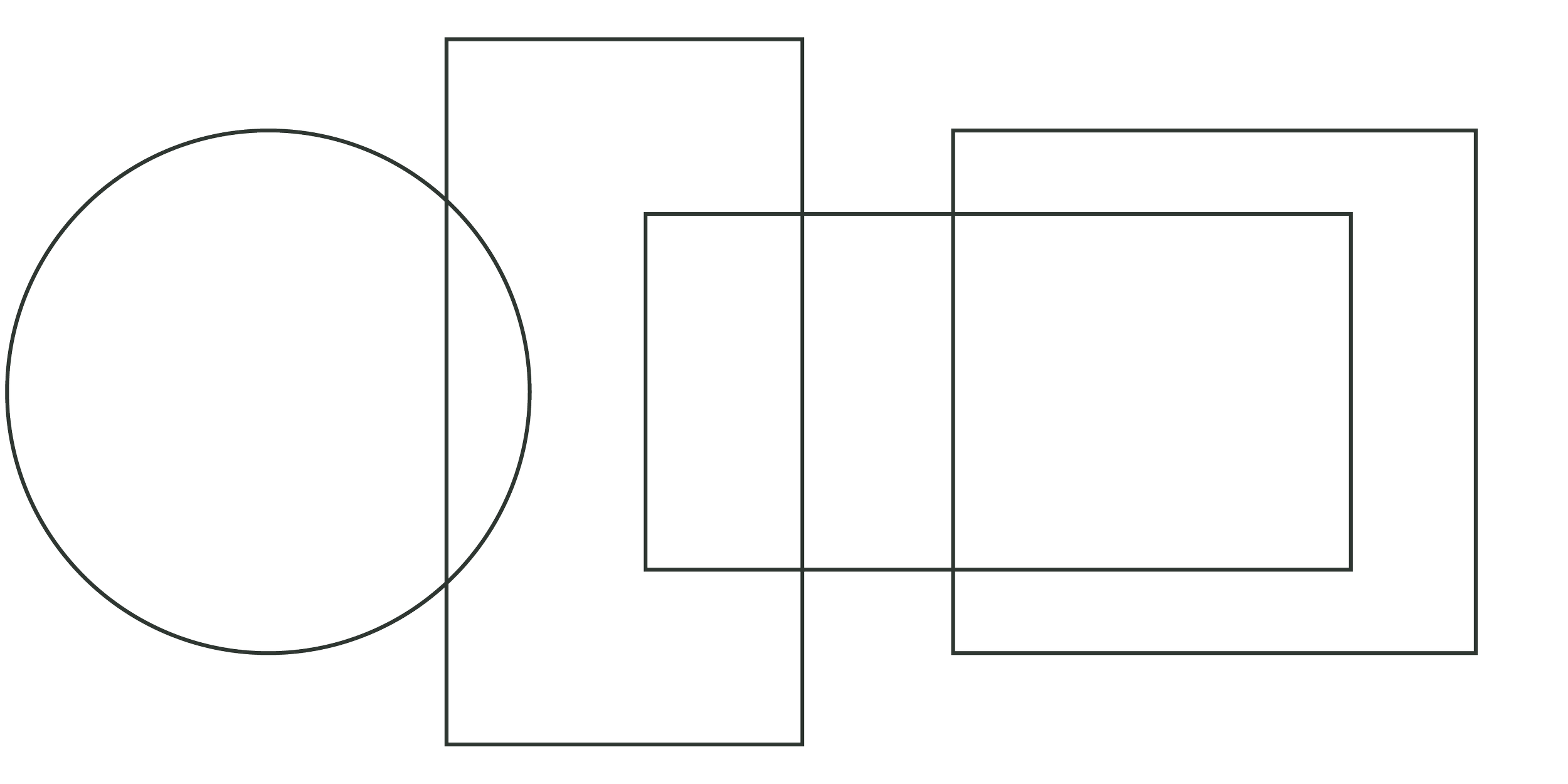
A square. A horizontal rectangle. A vertical rectangle. And a circle.
Those four shapes tell me almost everything I need to know about whether an event identity is going to work. Can the typography adapt? Does the imagery still work? Can the visual language stretch without losing its personality? Does the idea still hold together when the proportions completely change?
If the idea works across those four shapes, there's a good chance it'll work across the rest of the event.
I usually leave the circle for last. It's rarely the primary format for an event, but it quickly reveals whether an idea can survive when space becomes limited. If a logo, pattern, or visual concept still feels recognizable inside a circle, there's a good chance it will adapt well to profile images, app icons, badges, stickers, and all the other places where space is limited.
Those four shapes aren't the finished design. They're simply the starting point. Once I visit the venue, understand the environment, and learn more about how the event will come to life, the system begins to evolve. Some layouts become more important than others. New applications appear. Existing ones change. But because the foundation is already there, those adjustments feel like refinements instead of starting over.
An event identity is rarely a single graphic. It's presentation slides, registration, wayfinding, sponsor graphics, digital screens, badges, social media, environmental branding, and dozens of other touchpoints that all need to feel like they belong to the same event.
By the time I start designing individual touchpoints, most of the heavy lifting has already been done. The visual system has been tested, challenged, and refined. From there, it's simply a matter of applying it to the event.